The Origins of Gambling
The history of gambling can be traced back thousands of years, with evidence suggesting its existence in ancient civilizations such as Mesopotamia and China. Archaeological findings reveal that the earliest forms of gambling involved simple games of chance, often using dice made from animal bones. These activities were often tied to religious rituals and community gatherings, indicating that gambling served not only as entertainment but also as a social bonding activity. Today, many people are exploring australian online casinos as a modern twist on these age-old practices.

As cultures evolved, so did the methods and forms of gambling. By the time of the Roman Empire, gambling had become a common pastime among citizens, with various games and betting systems developing. The Romans created elaborate games of chance, including betting on gladiatorial contests, which further ingrained gambling into the social fabric of society.
The Growth of Gambling in the Middle Ages
During the Middle Ages, gambling continued to thrive, although often facing scrutiny from religious institutions. Many authorities viewed gambling as a vice, leading to various restrictions and prohibitions. Despite this, games such as chess and dice became popular in courts across Europe. The tension between the enjoyment of gambling and the moral implications associated with it marked a critical point in its evolution.
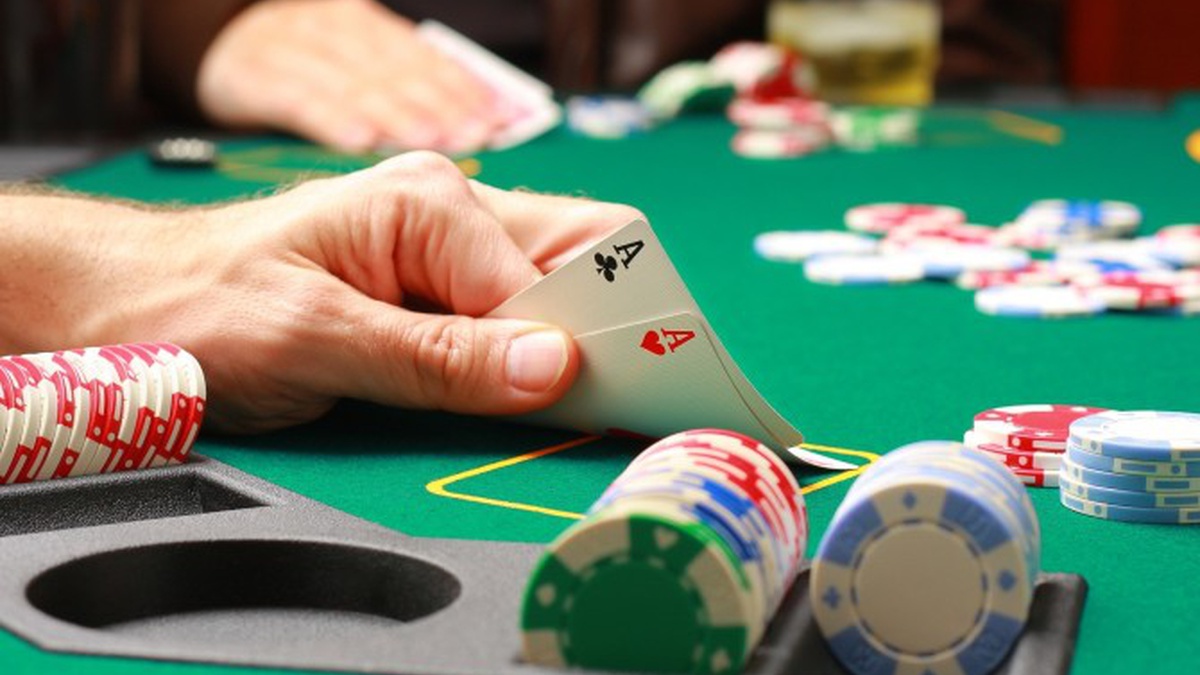
The invention of playing cards in the late 14th century introduced a new dimension to gambling. Card games quickly became a favorite pastime among the aristocracy and later spread to the general populace. The rise of gambling houses and public betting in the 17th century also reflected its growing acceptance, laying the groundwork for more organized gambling activities that would flourish in the modern era.
The Modernization of Gambling
The 19th century saw a dramatic transformation in gambling, particularly with the establishment of regulated gambling venues, such as casinos. The first modern casino opened in Venice in 1638, and by the 19th century, cities like Monte Carlo had become synonymous with high-stakes gambling. This era marked the transition from informal betting to a structured industry, attracting people from all walks of life.
Technological advancements also played a role in shaping modern gambling. The introduction of the slot machine in the late 19th century revolutionized the industry, making gambling more accessible to the masses. The proliferation of state lotteries and horse racing betting further solidified gambling's place in society, contributing to public funding and community projects.
The Digital Age of Gambling
With the advent of the internet in the late 20th century, gambling underwent another significant transformation. Online casinos emerged, offering players the convenience of gambling from the comfort of their own homes. This shift not only expanded the reach of gambling but also led to new forms of gaming, such as online poker and virtual sports betting.
However, the rise of online gambling has also raised concerns about addiction and the regulation of these platforms. Governments worldwide have grappled with how to effectively manage and regulate online gambling to protect consumers while allowing for a thriving industry. The ongoing discussions around responsible gaming practices highlight the complex relationship between gambling and society today.
Conclusion: The Continuing Legacy of Gambling
The evolution of gambling reflects broader social changes and cultural attitudes throughout history. From its early origins as a community pastime to its modern incarnation as a global industry, gambling has consistently influenced and shaped societal norms. Today, it remains a multifaceted issue, intertwined with themes of entertainment, morality, and economic impact.
As gambling continues to evolve, it is essential for individuals to stay informed about the potential risks and rewards. Online platforms dedicated to security and safety are vital in ensuring that participants can engage in gambling responsibly. Awareness of the historical context of gambling can also help society address the myths and misconceptions surrounding this age-old activity.